
Six Cats of The Serengeti
“I spent 2 nights at Moyo tented camp, and it was a truly magical experience. The accommodation was impeccable and hearing the sound of lions of a night was magical.”
Not all the cats in “Big Cat Capital” are big! Here's how the Serengeti's six wild cats rank from the species you're most likely to encounter to the rarest:
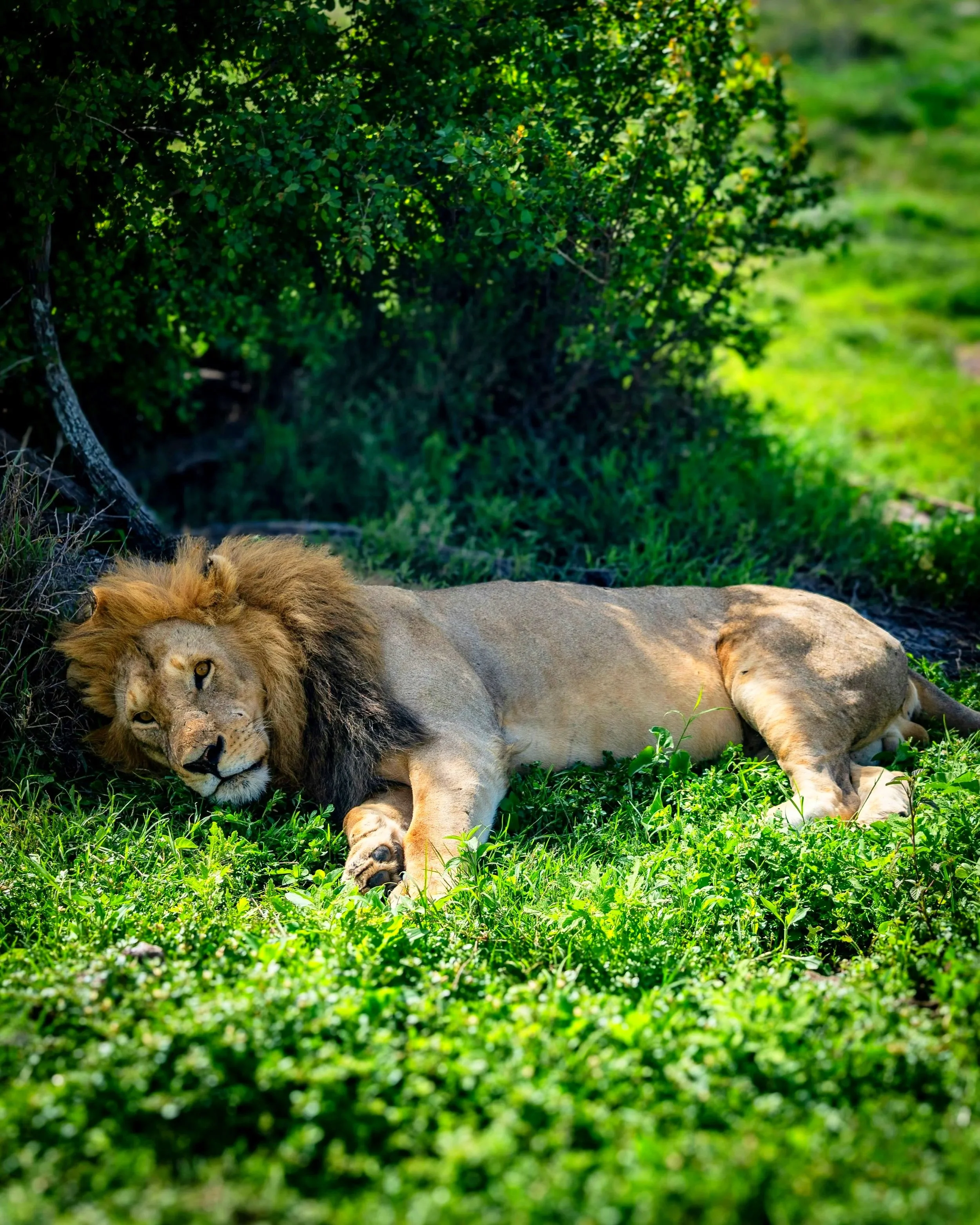
African Lions:
Abundant in Seronera
The African lion is the Serengeti's undisputed king and the wild cat guests are most likely to see. Home to one of Africa's largest lion populations, the Serengeti offers excellent opportunities to watch lion prides resting on granite kopjes, lionesses stalking prey across the grasslands, or caring for playful cubs. Lions are highly social and Moyo guests love to hear their deep roars from camp.
Photo Credit to Mustafa Masetic

Cheetahs: Common Safari Sighting
Built for speed rather than strength, cheetahs thrive in the Serengeti's vast open plains where they can spot prey from long distances before launching astonishing high-speed chases. They communicate with chirps, purrs, growls, and bird-like calls. Their distinctive black "tear marks," long legs, and lightweight build make them perfectly adapted for hunting agile antelope. Seeing a cheetah perched, scanning the horizon is one of safari's most unforgettable moments. Especially if the cheetah chooses your safari vehicle to get a better look!
Photo Credit to Dawn Westveld
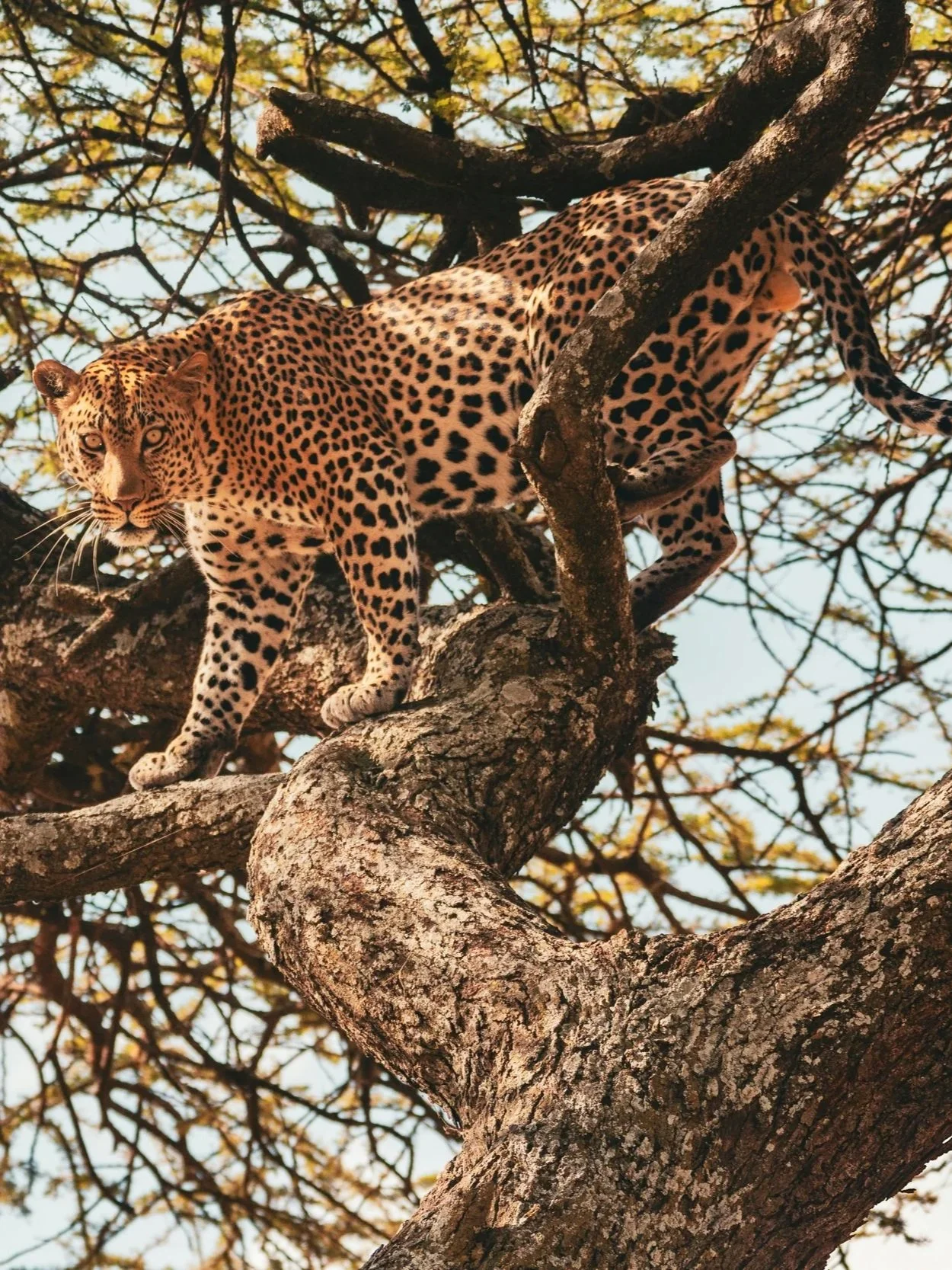
Leopards: Require Experienced Guides
Leopards are masters of camouflage and often remain hidden even when they are close by. Solitary by nature, they spend much of their time resting in sausage trees or acacias, especially in the Seronera region where riverine forests provide excellent cover. Powerful climbers, leopards frequently carry their prey into trees to protect it from lions and hyenas. Moyo works with experienced tour operators and guides that help guests spot this well hidden big cat.
Photo Credit to Denice Alex
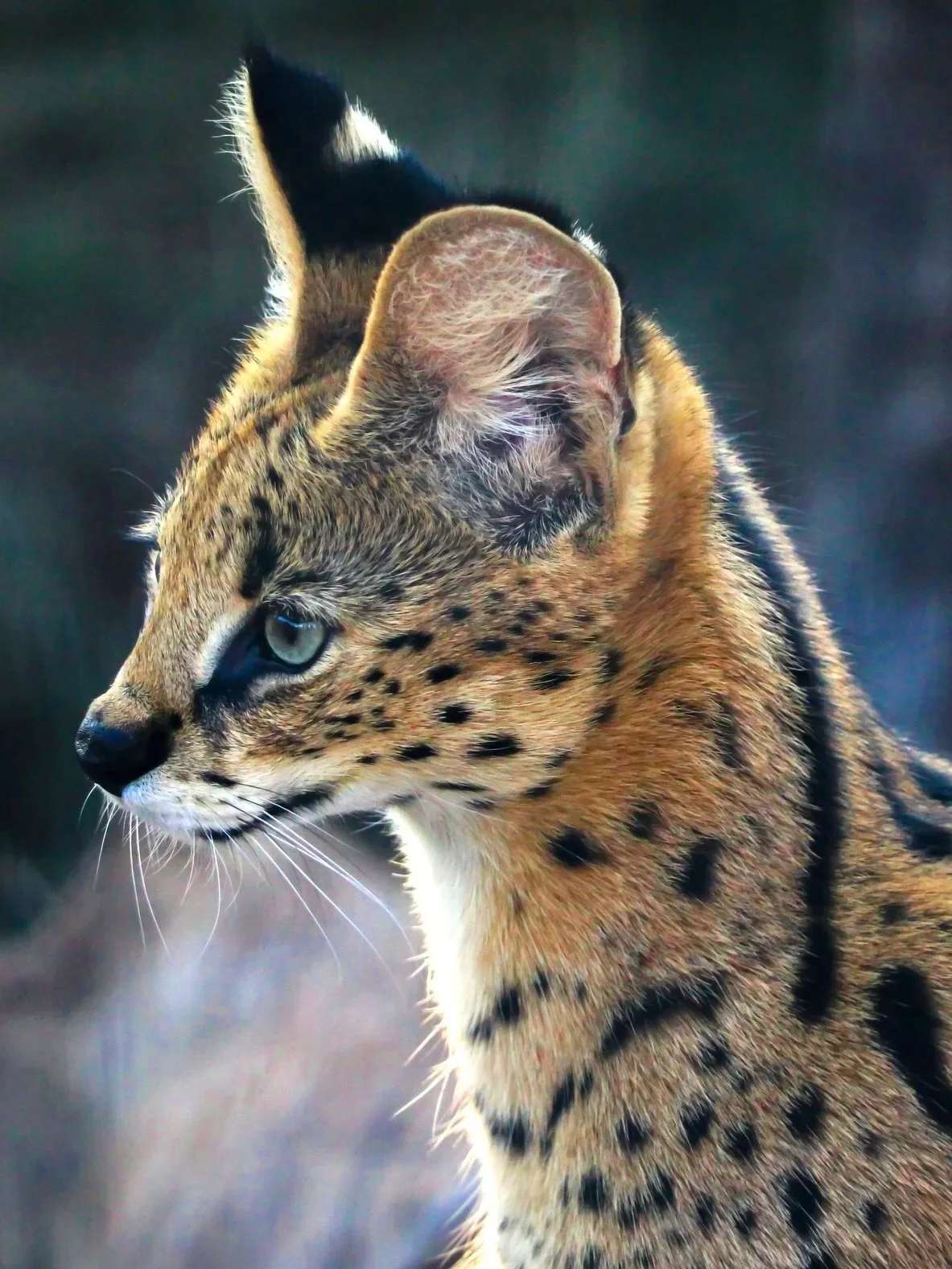
Servals: Very Elusive
The serval is one of the Serengeti's most elegant predators with exceptionally long legs, oversized ears, and a beautifully spotted coat. It specializes in hunting rodents, birds, frogs, and insects hidden in tall grass. Its remarkable hearing allows it to detect prey beneath the vegetation before making spectacular vertical leaps to catch it. Servals are most often found near wetlands, rivers, and grassy areas, so staying at Moyo Camp Warangi can improve sighting this very elusive cat.
Photo Credit to Joe Andrews

African Wildcats: Highly Elusive
At first glance, the African wildcat looks similar to a domestic cat, and that’s because it IS the wild ancestor of today's house cats. However, these shy nocturnal hunters are small but mighty hunters, feeding on rodents, birds, reptiles, and insects. Their beige coats blend perfectly into the landscape, making sightings uncommon even for those most seasoned safari guides. After all, wild cats this size need to stay out of sight of larger predators for their survival.
Photo Credit to Carol Corder
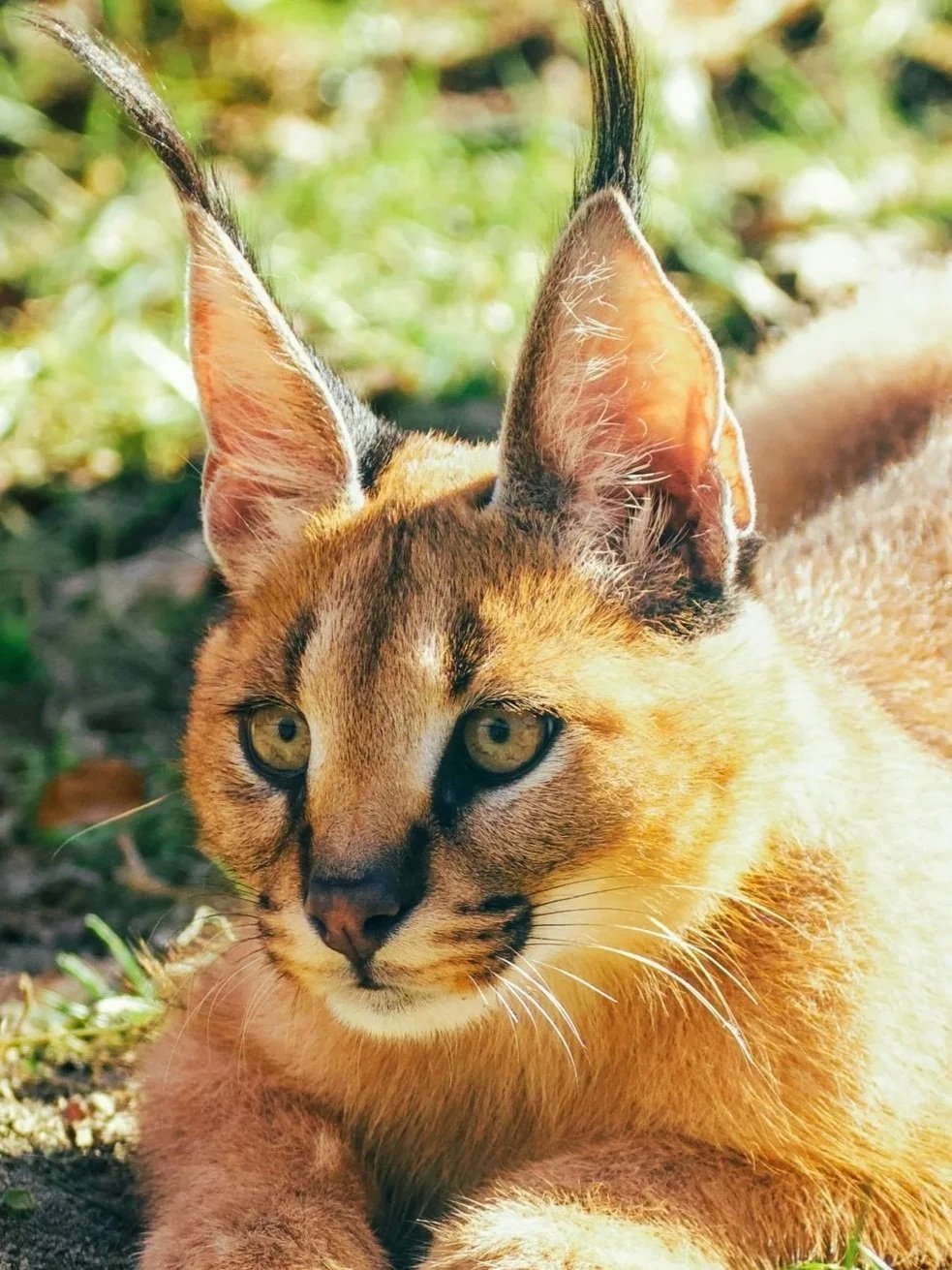
Caracal: Extremely Elusive
Perhaps the Serengeti's most elusive feline, the caracal is instantly recognizable by its striking black ear tufts. This medium-sized cat is an extraordinary jumper, capable of leaping several feet into the air to catch birds in flight. Caracals are primarily nocturnal and prefer hunting alone, which makes encounters exceptionally rare. Even experienced guides may go months or even years without seeing one, making every sighting a truly remarkable event.
Photo Credit to Jakub Neskora
With camps located in some of the Serengeti's most wildlife-rich regions and experienced local guides who tailor each game drive to recent sightings, Moyo Tented Camp offers guests exceptional opportunities to encounter the Serengeti's wild cats… and if you’re verrry lucky, maybe even one of Tanzania’s most elusive ones!
Come spot them for yourself 🐾